
Elegant handmade pasta pockets filled with a rich, molten Parmigiano-Reggiano core, finished with nutty brown butter, crispy sage, and a drizzle of traditional 25-year aged balsamic vinegar.
Ingredients
Cooking Instructions
- 01
Bloom the gelatin sheet in a bowl of ice-cold water for 5 minutes. In a small saucepan, bring the heavy cream to a gentle simmer, then remove from heat. Whisk in the finely grated Parmigiano-Reggiano until completely smooth. Squeeze excess water from the gelatin sheet and whisk it into the warm cheese cream until fully dissolved. Pour the mixture into a shallow dish and refrigerate for 45 minutes until set into a firm gel.
- 02
On a clean marble or wood work surface, mound the '00' flour and create a wide well in the center. Pour the egg yolks and whole egg into the well. Using a fork, gently whisk the eggs, gradually incorporating the flour from the inner walls of the well until a shaggy dough forms. Knead the dough by hand for 10-12 minutes until satin-smooth and elastic. Wrap tightly in plastic wrap and rest at room temperature for 30 minutes.
- 03
Divide the rested pasta dough into two pieces. Roll one piece at a time through a pasta machine, graduating to the thinnest setting (about 1mm thickness). Dust the work surface lightly with semolina. Cut the pasta sheets into 6cm x 6cm squares.
- 04
Remove the set Parmigiano gel from the refrigerator. Place half-teaspoon dollops of the gel in the center of each pasta square. Fold the pasta diagonally over the filling to form a triangle, pressing firmly around the filling to expel any air and seal the edges. Wrap the two bottom corners of the triangle around your index finger, overlapping and pressing them together to seal into a classic tortelloni shape. Place on a tray dusted with semolina.
- 05
Bring a large pot of salted water to a very gentle simmer (do not boil vigorously, or the delicate pasta may rupture). Simultaneously, melt the butter in a wide skillet over medium heat. Add the sage leaves and cook until the butter begins to foam, turn amber-brown, and exude a nutty aroma, and the sage leaves become crispy. Remove from heat immediately to stop the cooking.
- 06
Carefully drop the tortelloni into the simmering water. Cook for exactly 2.5 to 3 minutes. The pasta will cook through and the gelatin in the center will melt, turning the filling back into a rich liquid. Gently lift the tortelloni out with a slotted spoon and transfer them directly into the warm sage brown butter, gently swirling the pan to coat them.
- 07
Arrange the tortelloni elegantly on warm plates. Spoon the remaining sage brown butter over them, and garnish with the crispy sage leaves and crushed toasted hazelnuts. Finish each plate with artistically placed drops of the aged balsamic vinegar.
Cooking Reviews
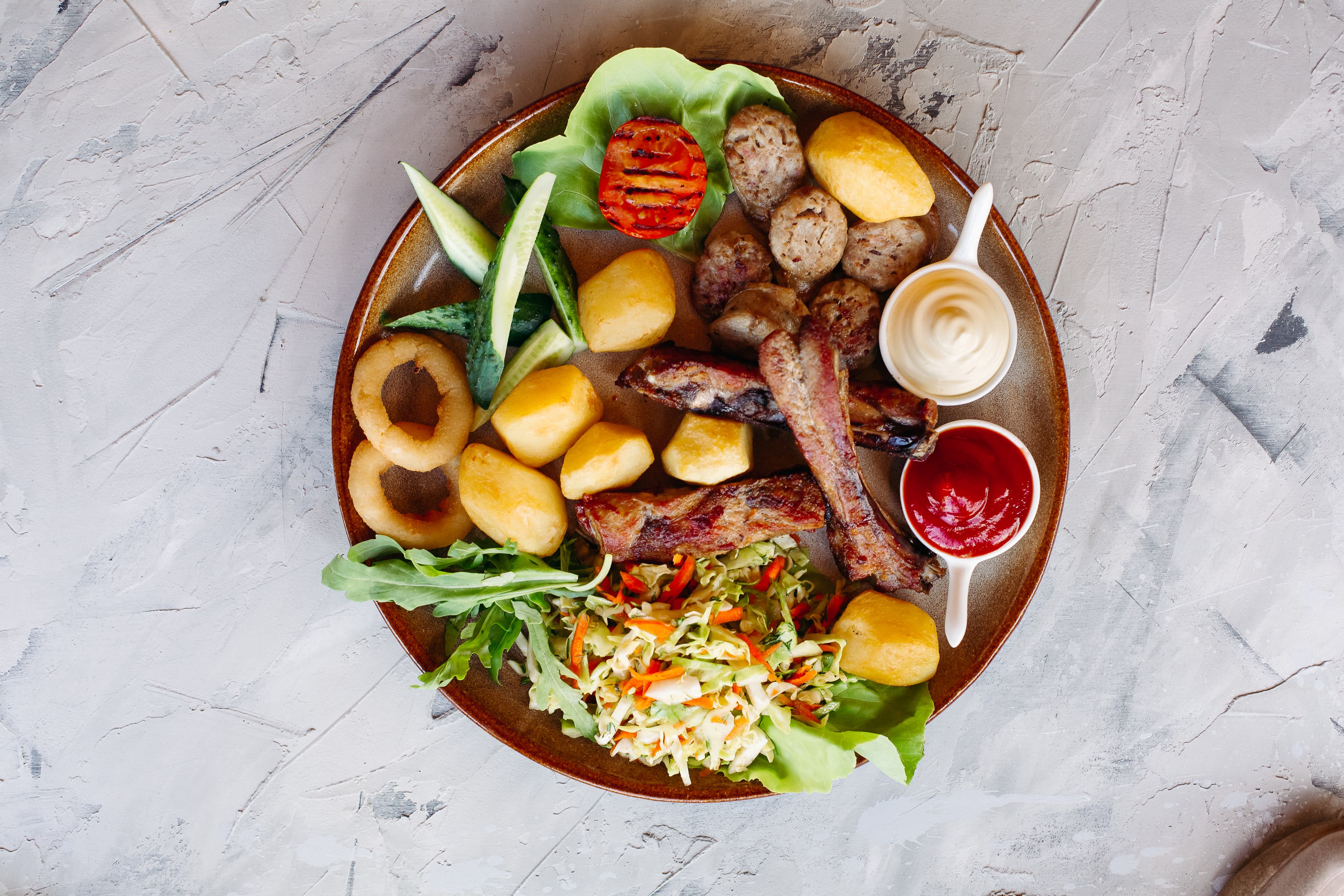
The Caprese Salad Skewers recipe was a triumph! I prepared them for a party's barbecue and everyone loved them. The basil was so aromatic, the mozzarella so fresh, and the skewers were the perfect size and an appropriate.
Michael Burns
July 1, 2023
Ad Slot: recipe_sidebar
Nutritional Info

Let’s Get
into Cooking!